
Delhi's Financial Pivot: Stress Test and Debt Leveraging

India’s Financial Crackdown
India plans to start conducting twice-yearly stress tests on its banks, following in the footsteps of financial regulators in the US and Europe.
The Reserve Bank of India said on Tuesday that it had conducted rudimentary stress tests during the global financial crisis to check credit and interest rate risk. The bank said it would undertake more sophisticated tests in the future to build confidence in the country’s banking system.
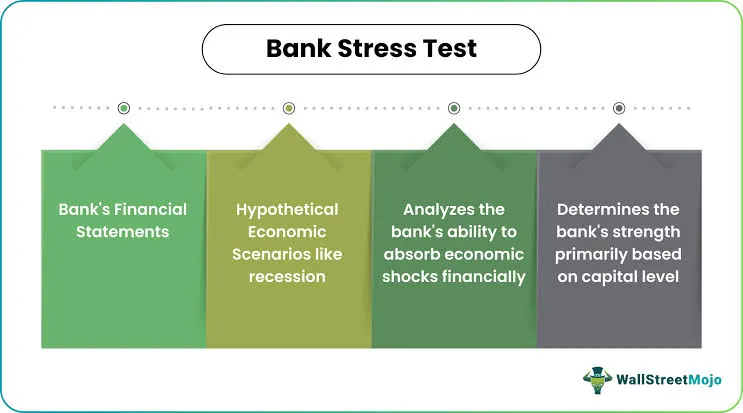
Duvvuri Subbarao, the RBI governor, speaking after the announcement of an abrupt tightening of monetary policy, said that India was “learning on the job” in its review of capital, liquidity and leverage standards. Mr Subbarao said that India needed to have more rigorous stress tests, in which bank balance sheets are checked to see how much financial pressure they can withstand in a simulated future crisis.
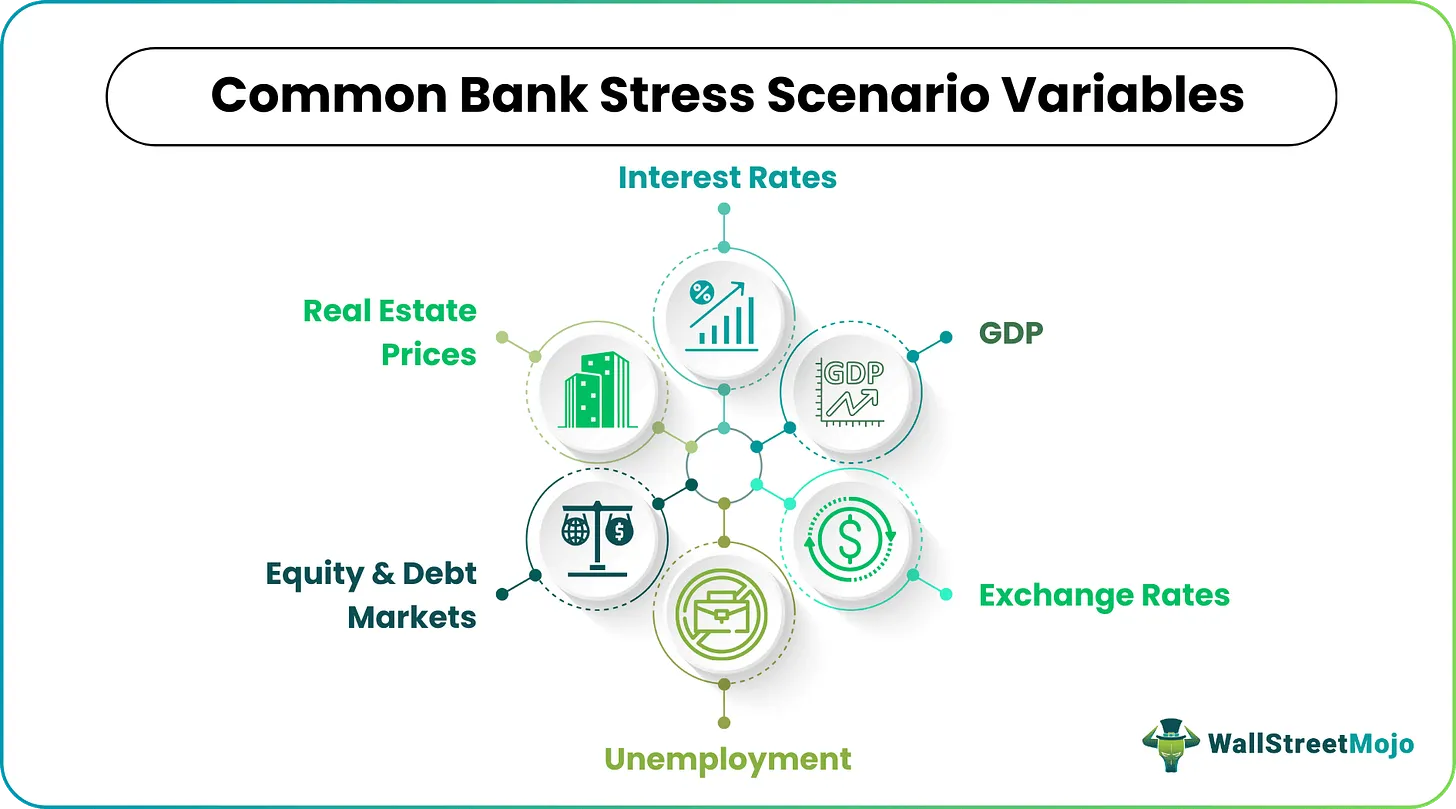
The comments by the RBI come just days after Europe published the results of stress tests of the region’s leading financial institutions. Seven of the 91 banks tested failed to meet capital requirements set by the Committee of European Banking Supervisors.
What this means for New Delhi
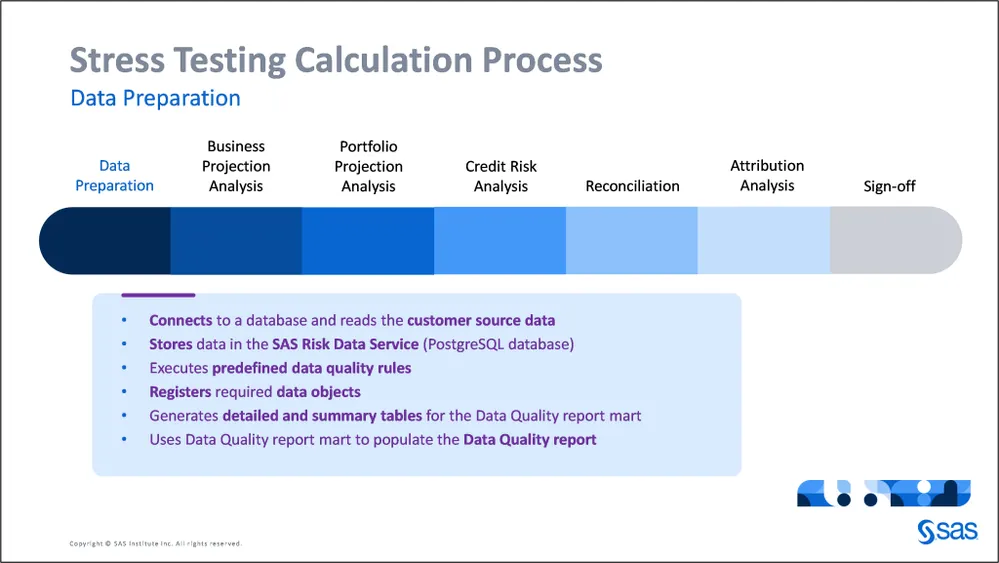
Delhi govt is working on a fiscal reform roadmap aimed at curbing expenditure and borrowing, improving the capital’s financial health and keeping public debt at sustainable levels. As part of the proposed reforms, the govt has set a target of limiting the fiscal deficit to 3% of Delhi’s gross state domestic product (GSDP) and capping outstanding debt, including public account liabilities, at 15% of GSDP. A senior govt official said the FRBM framework is intended to prevent excessive spending and impose discipline on borrowing. “It seeks to ensure that debt does not accumulate to levels that place an undue burden on future taxpayers,” the official said.
The Final Framework (What the numbers point)
Under the proposed framework, the govt will also be required to place annual accountability statements before the legislative assembly. The fiscal deficit for Delhi in 2026-27 is 1.3% of GSDP (Rs 16,966 crore), reflecting the state’s borrowing needs to fund development programmes. Delhi’s 2026-27 budget totals Rs 1,03,700 crore, the capital’s second consecutive Rs 1-lakh-crore-plus budget, up 3.7% on the Rs 1,00,000 crore budget estimate for 2025-26.
Net of debt repayment of Rs 4,254 crore, expenditure is Rs 99,446 crore, a 5% increase over the 2025-26 revised estimate of Rs 94,668 crore.
The fiscal deficit is budgeted at Rs 16,966 crore, 24% below the 2025-26 revised estimate of Rs 22,289 crore (1.7% of GSDP), roughly 1.3% of the latest available GSDP of Rs 13,27,000 crore.
Delhi budgets a revenue surplus of Rs 9,092 crore for 2026-27, up 77% from the Rs 5,135 crore revised estimate for 2025-26.
States are expected to maintain fiscal deficit within 3% of GSDP as per the FRBM Act. Delhi is maintaining fiscal discipline close to the recommended limit. Interest payments at Rs 2,734 crore consume 2.7% of total expenditure.
Sources
Continue reading
 Journalism
DELHI POLLUTION TRENDS DOWNWARD: CAPITAL CITY MARKS LOWEST PARTICULATE MATTER LEVELS SINCE 2018 AS AQI SHOW RESULTS
6 November 2026
Delhi records its lowest particulate matter levels since 2018, but does this signal genuine progress? A closer look at the data reveals uneven improvements, persistent winter pollution and questions about the effectiveness of existing policies.
 Journalism
One Seat Multiple Stakes
15 October 2026
By-elections may involve fewer voters, but their political consequences can be significant. From historic victories to closely contested seats, they shape leadership, test political strength, and uphold representation, proving that even a single seat can influence the broader democratic landscape.
 Journalism
Transparency, Verifiability and Accessibility of Voter List in India
9 October 2026
India’s electoral roll revision has sparked questions about transparency, accountability and the risk of eligible voters being excluded. As scrutiny of the Election Commission intensifies, the central challenge is balancing accurate voter lists with citizens’ right to participate in democracy.
Comments
Your comment